01
Neurotechnology & BCI
Neural interfaces, physiological sensing, and neuroadaptive interaction.
NeuroWearX
Advancing Human–Machine Interfaces by Integrating Biological, Physical, and Spatial Intelligence with Generative AI
A conversation at the intersection of human potential and intelligent technology.
EEG · EMG · Physiology · Cognition
Neural and physiological signals can help infer aspects of human state, intent, and behavior—with appropriate validation and consent.
Wearables · Robotics · Haptics
Wearables, robotics, and embodied interfaces connect sensing to movement and assistance in the physical world.
XR · Context · Smart environments
Spatial computing and environmental sensing place human activity in context, connecting people, objects, and environments.
LLMs · Multimodal AI · Agents · VLA
Foundation models can connect multimodal information to language, reasoning, and planning, with human oversight and explicit uncertainty.
01 / THE VISION
Where human and machine intelligence meet.
NeuroWearX brings together neurotechnology, wearable and physiological computing, robotics, spatial intelligence, and generative AI to explore more natural, capable forms of human–machine collaboration.
Our question is simple: how can intelligent technologies understand, anticipate, adapt to, and empower people—without overwhelming them?
We envision a distributed layer of wearable and ambient intelligence that supports perception, cognition, and action. It stays at the edge of attention and offers assistance when it is useful, while people retain agency and control.
02 / WORKSHOP THEMES
From signals to systems, we bridge minds, machines, and environments to shape the future of symbiotic human–machine co-intelligence..
Neural interfaces, physiological sensing, and neuroadaptive interaction.
On-body sensing, intelligent textiles, and personalized computing.
Multimodal foundation models, adaptive interfaces, and intelligent agents.
Robotics, prostheses, exoskeletons, and embodied collaboration.
XR, smart environments, and context-aware multimodal systems.
Timely assistance with lower cognitive and physical interaction burden.
Assistive communication, rehabilitation, and inclusive human-centered design.
Shared autonomy, co-adaptation, trust, privacy, and human agency.
03 / THE PEOPLE & PERSPECTIVES
Bringing together research and practice across human-centered AI, wearables, and neurotechnology.
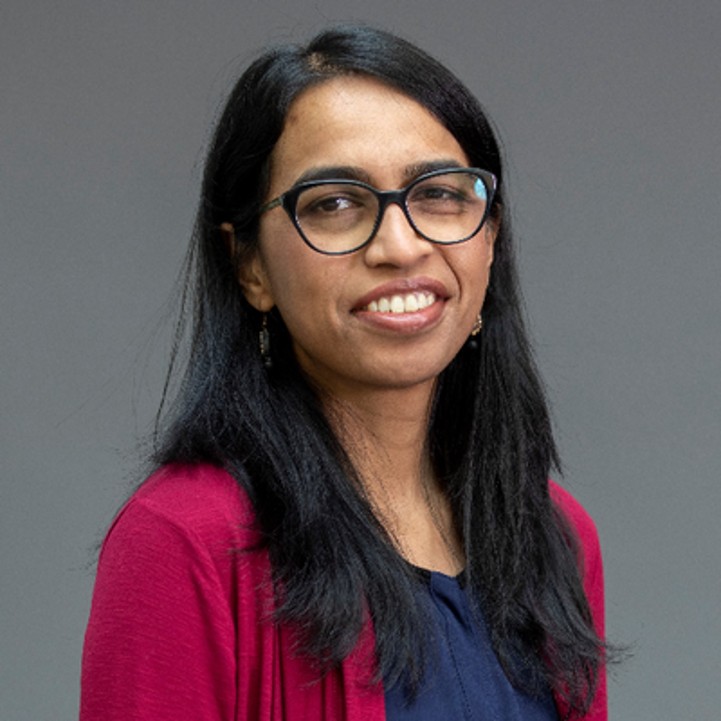
Shamsi Iqbal studies how technology can support attention, productivity, and wellbeing. Her work at Microsoft explores multitasking and the changing experience of hybrid work.

Samantha Chan is an Assistant Professor at NTU. Her research connects human–computer interaction and AI, including wearables, physiological sensing, brain–computer interfaces, and XR to support memory, attention, sleep, and healthy aging.
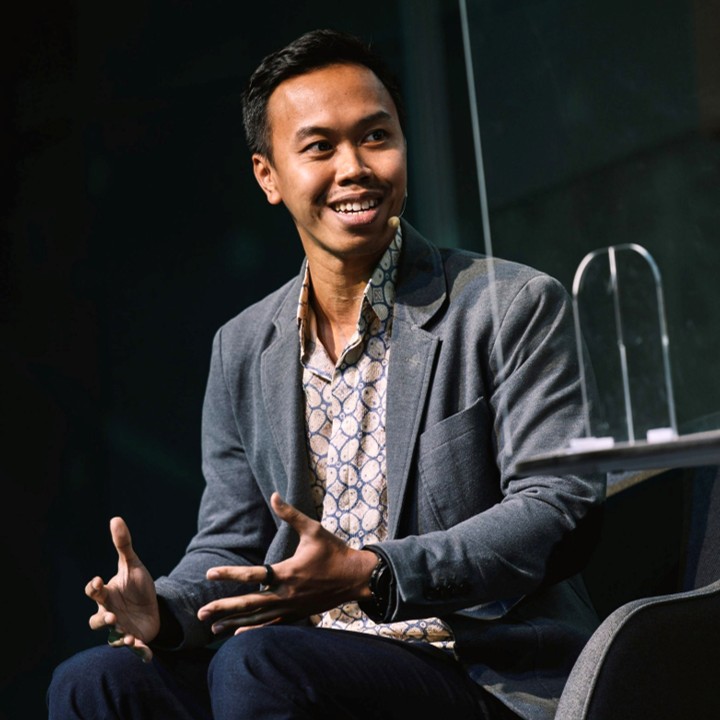
Irmandy Wicaksono works at the intersection of design, electronics, and the human body. His research develops intelligent textiles and soft sensor–actuator systems for health, wellbeing, and human–computer interaction.
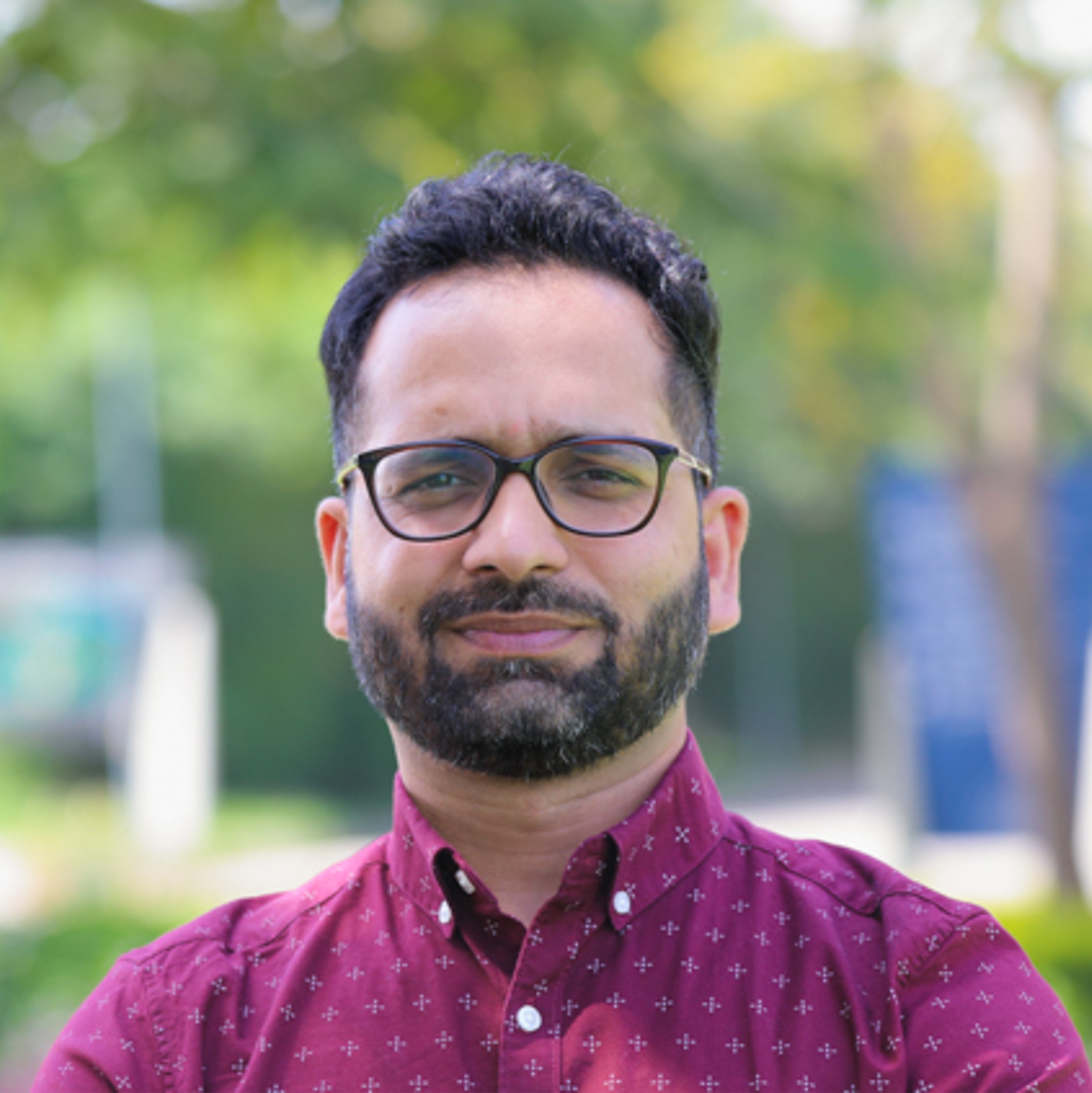
Yogesh K. Meena researches human–computer and brain–computer interfaces, eye tracking, and intelligent systems. His work includes motor rehabilitation and health applications.
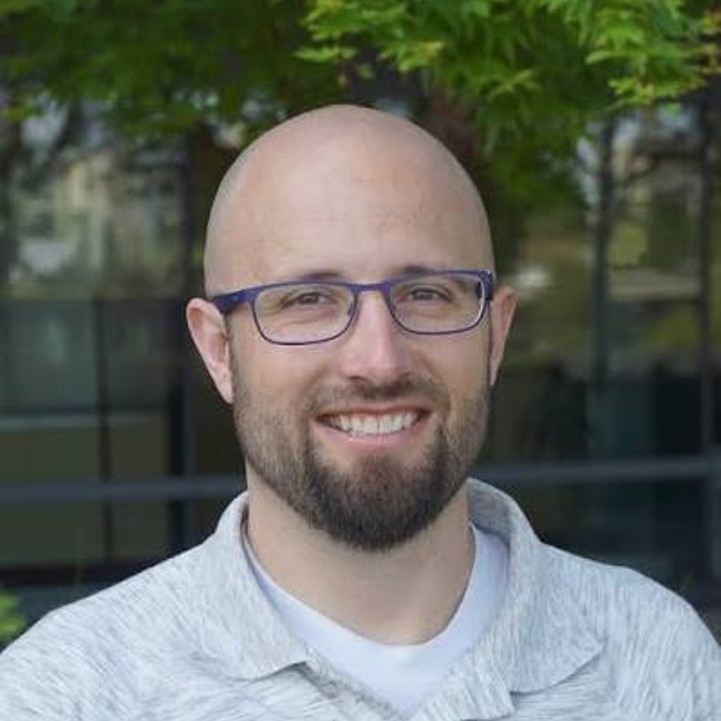
Zachary Beattie studies wearable and home sensing, sleep measurement, and digital biomarkers. His work connects engineering with real-world monitoring and aging research.
04 / THE PROGRAM
Sunday, October 4, 2026
2:00 – 5:45 PM
Bellevue local time · Pacific Daylight Time (UTC−7)
Online Participation
Select a session to view details. Multiple sessions can stay open.
Introducing NeuroWearX and the questions shaping empowered human–machine co-intelligence.
Talk abstract and session details will be available soon.
BCI, eye-tracking, and physiological signals in neuro-rehabilitation and assistive technology development.
Traditional approaches to monitoring aging and health rely on brief, infrequent assessments that often miss meaningful changes occurring in everyday life. Advances in wearable devices, ambient sensors, and intelligent environments are enabling a new paradigm in which health, function, and behavior can be measured continuously and unobtrusively in real-world settings. This presentation will explore how longitudinal digital biomarkers derived from passive sensing can reveal early changes in mobility, sleep, daily activities, physiology, and cognition, often years before they become apparent through conventional assessments. Drawing on work from the Oregon Center for Aging & Technology (ORCATECH), Dr. Beattie will highlight an in-home sensing platform, examples of novel digital biomarkers, and findings from long-term studies of cognitive aging and neurodegenerative disease. He will discuss how increasingly intelligent and low-burden technologies can support healthy aging by quietly identifying meaningful changes in everyday function.
Networking, refreshments, and informal discussion.
As digital technologies grow ever more capable, how might we design them to extend human intellect rather than replace it? In this talk, Ast. Prof. Samantha Chan shares her research exploring cognitive interfaces: systems that augment human memory, attention, learning, and critical thinking through both digital and neurophysiological means. She will reflect on how her work has evolved from early experiments in sensing cognitive and emotional states, to developing systems that model and complement human cognitive processes, and more recently, to integrating large language models, extended reality and multisensory stimuli for cognitive augmentation. Through these projects, Dr. Chan illustrates how design and engineering can converge to create technologies that work with our minds rather than for them. The talk concludes by asking: What might the next generation of cognitive interfaces look like if they were designed to truly empower human potential? How could such systems reshape how we think, learn, and live alongside intelligent machines?
Wearable computing increasingly demands cybernetic systems that move beyond rigid devices toward technologies that conform to the body, disappear into everyday materials, and operate across multiple spatial scales. This talk presents a series of soft, flexible, stretchable, and textile-based sensing platforms and distributed systems that explore how computation can be embedded within garments, across the body, and throughout interactive environments. Such soft technologies could provide a foundation for intelligent soft wearables and future physiological and embodied computing systems capable of inferring human state, movement, and interaction, while ultimately enabling closed-loop sensing and actuation for more adaptive, intimate, and immersive forms of human–machine collaboration.
As intelligent technologies become increasingly capable of sensing, interpreting, and responding to human states and contexts, the future of human–machine interaction may extend far beyond conventional interfaces. This panel explores the emerging vision of human-centered co-intelligence, where humans and intelligent systems continuously understand, adapt to, and complement one another while preserving human agency, trust, and well-being. Bringing together perspectives across wearable technologies, neurotechnology, AI, digital health, and intelligent environments, the discussion will examine what truly human-centered co-intelligence should mean, the key scientific and technological barriers that remain, the principles that should guide its development, and the research priorities needed to move from intelligent interfaces toward meaningful and empowering human–machine partnerships.
Introducing NeuroWearX and the questions shaping empowered human–machine co-intelligence.
Ideas from human–computer interaction, wearable intelligence, brain–computer interfaces, and digital health, with audience Q&A.
Approximately 12-minute presentations connecting early-stage research with an interdisciplinary community. Final format to be announced.
Student participationExploring generative AI for wearable augmentation, shared autonomy, human agency, trust, and inclusive design.
Open discussion, research connections, and directions for continuing the conversation.
05 / JOIN THE CONVERSATION
We welcome researchers, students, clinicians, engineers, designers, and industry innovators working toward more empowering human–machine systems.
Connect your work with an interdisciplinary audience and exchange ideas with invited speakers and fellow researchers.
06 / BEHIND NEUROWEARX
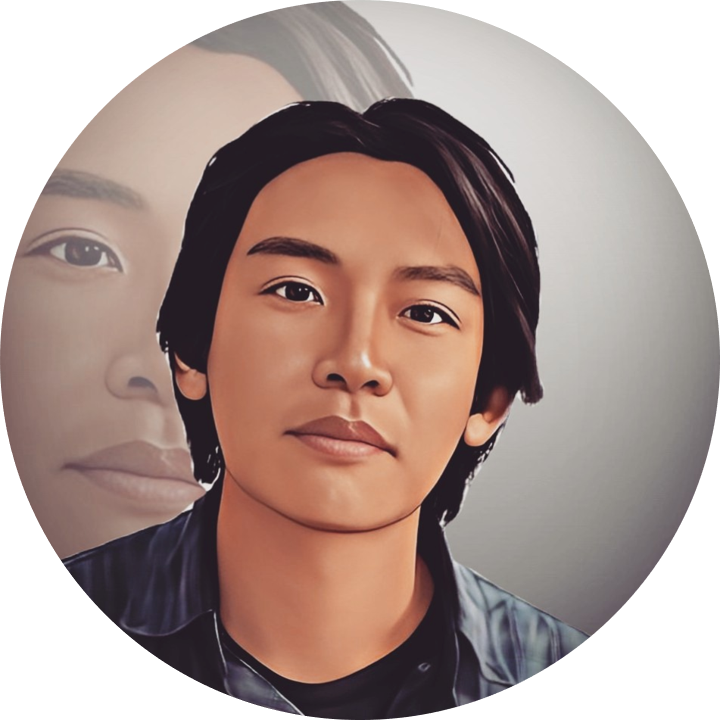

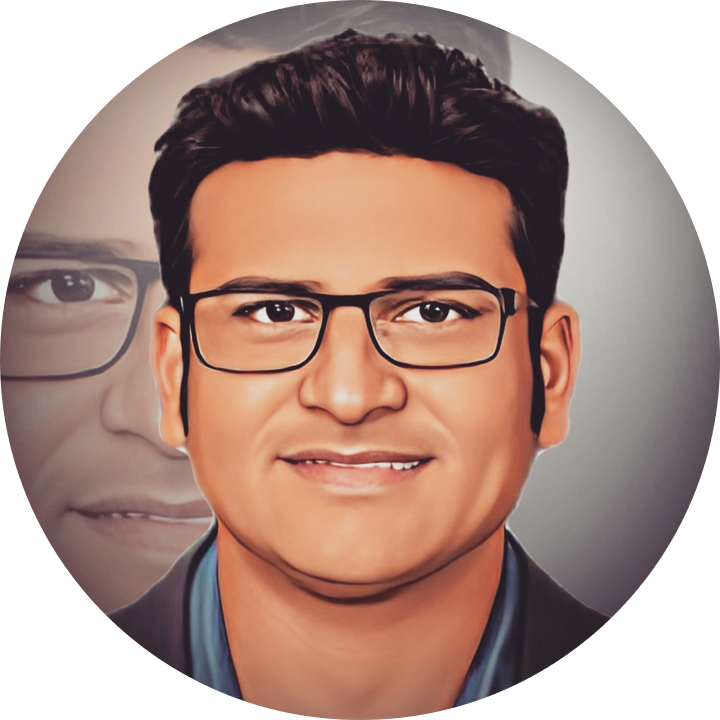








University of Pittsburgh
Lead organizer · Neurotechnology & wearable interfaces
Profile(opens in a new tab)University of Maryland, Baltimore County
Computer Science & Electrical Engineering
Profile(opens in a new tab)University of Pittsburgh
Electrical & Computer Engineering · Bioengineering
Profile(opens in a new tab)Georgia Institute of Technology
Mechanical Engineering · Biorobotics
Profile(opens in a new tab)07 / BELLEVUE & BEYOND
Join NeuroWearX at IEEE SMC 2026 in Washington’s Pacific Northwest—or take part online.
Official workshop listing(opens in a new tab)Bellevue, Washington, USA
Room to be announced
2:00 - 5:45 PM
Pacific Daylight Time (UTC−7)
https://forms.gle/bY6q4uyLfcwofyJt6
A CONTINUING CONVERSATION / THE NEUROWEARX SERIES
Bellevue